


Blogs
Explore the innovations shaping safer cell and gene therapies
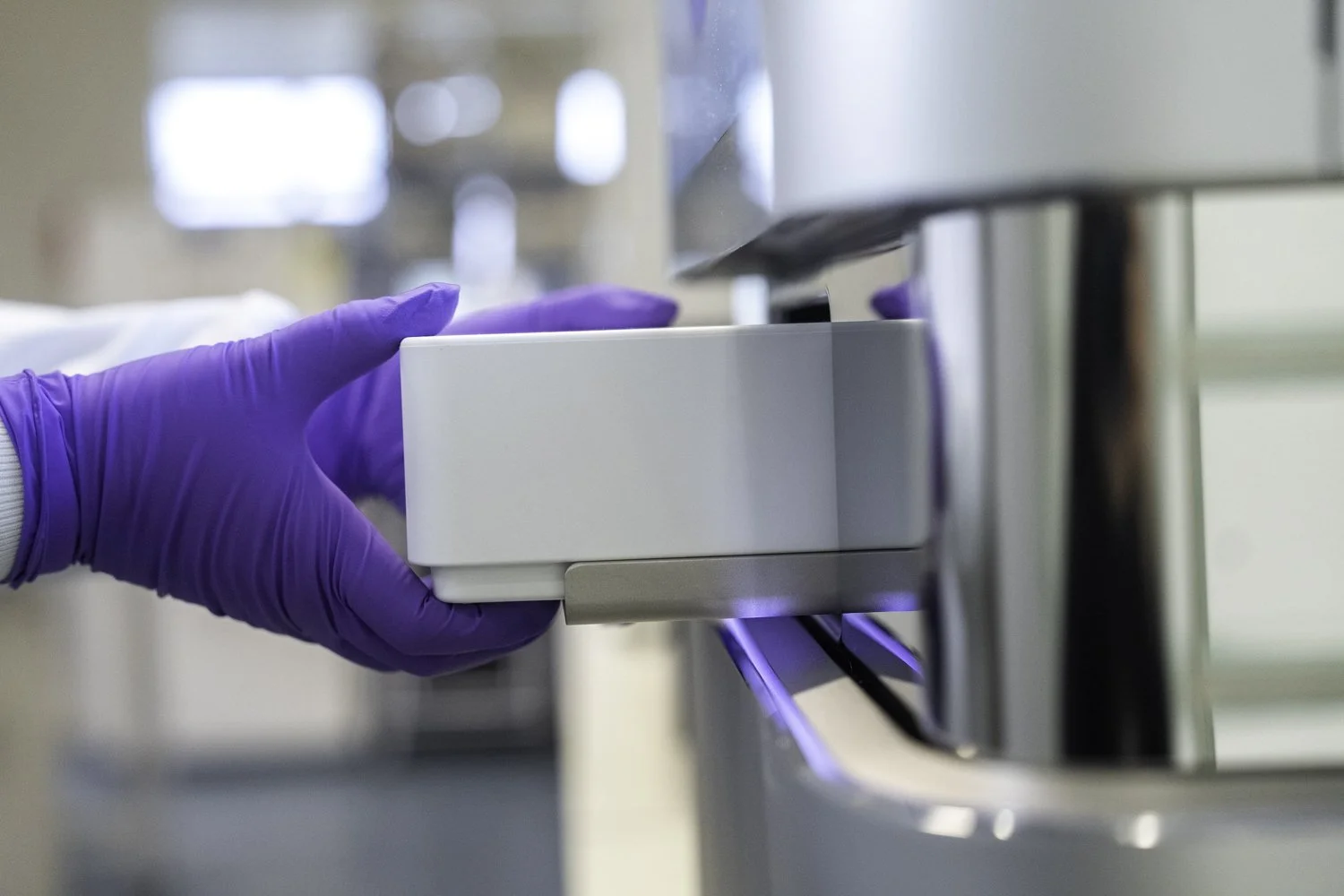
The Off-Target Problem the Gene Editing Industry Can No Longer Afford to Ignore
Gene editing has changed dramatically over the last decade. Early innovation focused on proving technologies such as CRISPR could edit DNA accurately enough to become viable therapeutic tools.

How Do You Know an Off-Target is Real? Interpreting Genome-wide CRISPR Data with Confidence
The conversation around gene editing safety has started to change. Generating a genome-wide dataset is a significant achievement, but it isn't the end of the analysis. In many ways, it's where the real work begins.
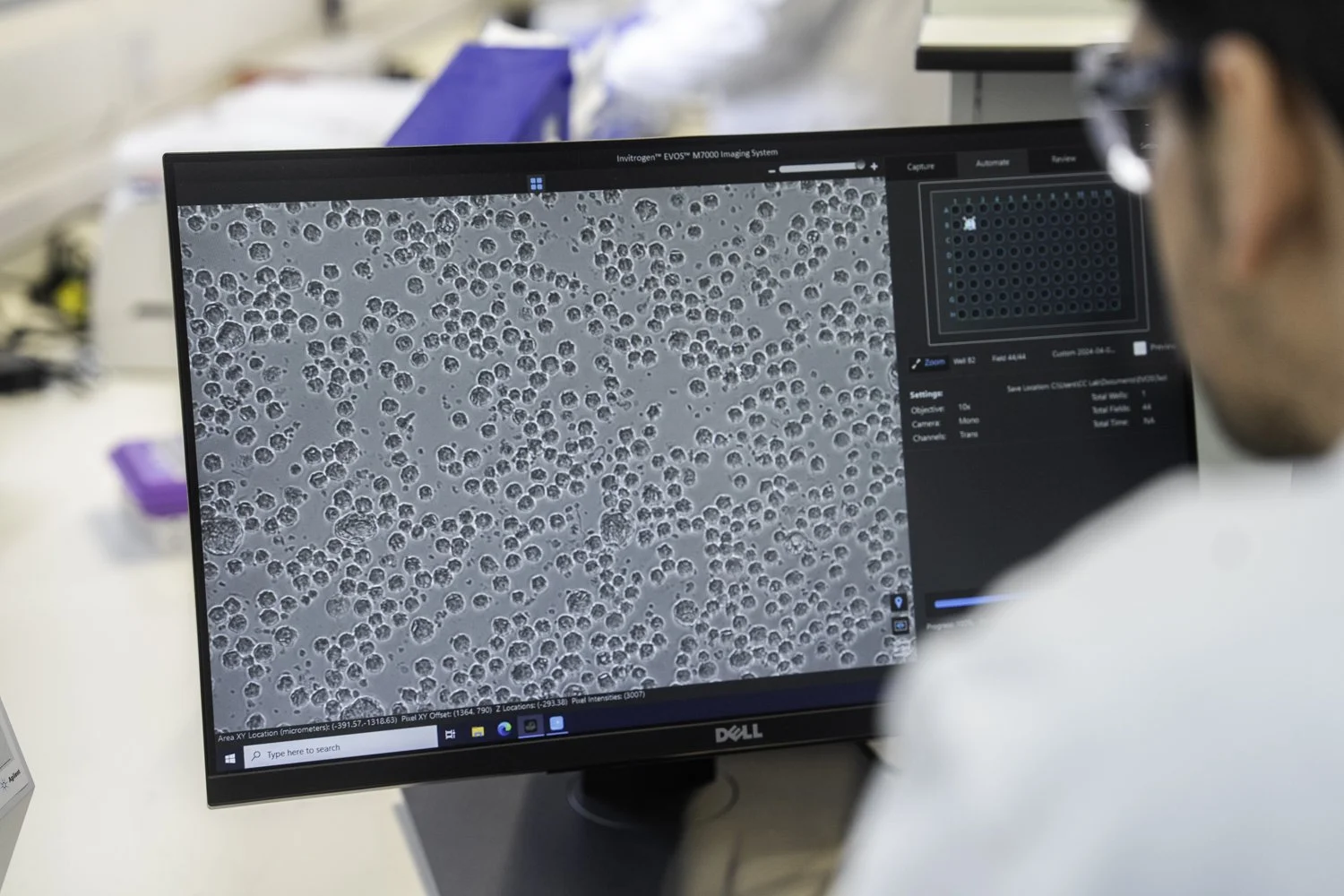
What the FDA’s New Guidance Means for CRISPR off-Target Analysis
When the FDA released its draft guidance in April 2026 it marked an important step for the gene editing field. For the first time, developers had a detailed view of how the agency expects off-target risk to be assessed as programmes move towards the clinic.

Solving the Off-Target Analysis Bottleneck: Decision-Focused Bioinformatics for Gene Editing
As editing programs move from early discovery toward IND-enabling studies, the pressure shifts from identifying events to discriminating between them. The challenge is no longer technical detection. It’s decision clarity.
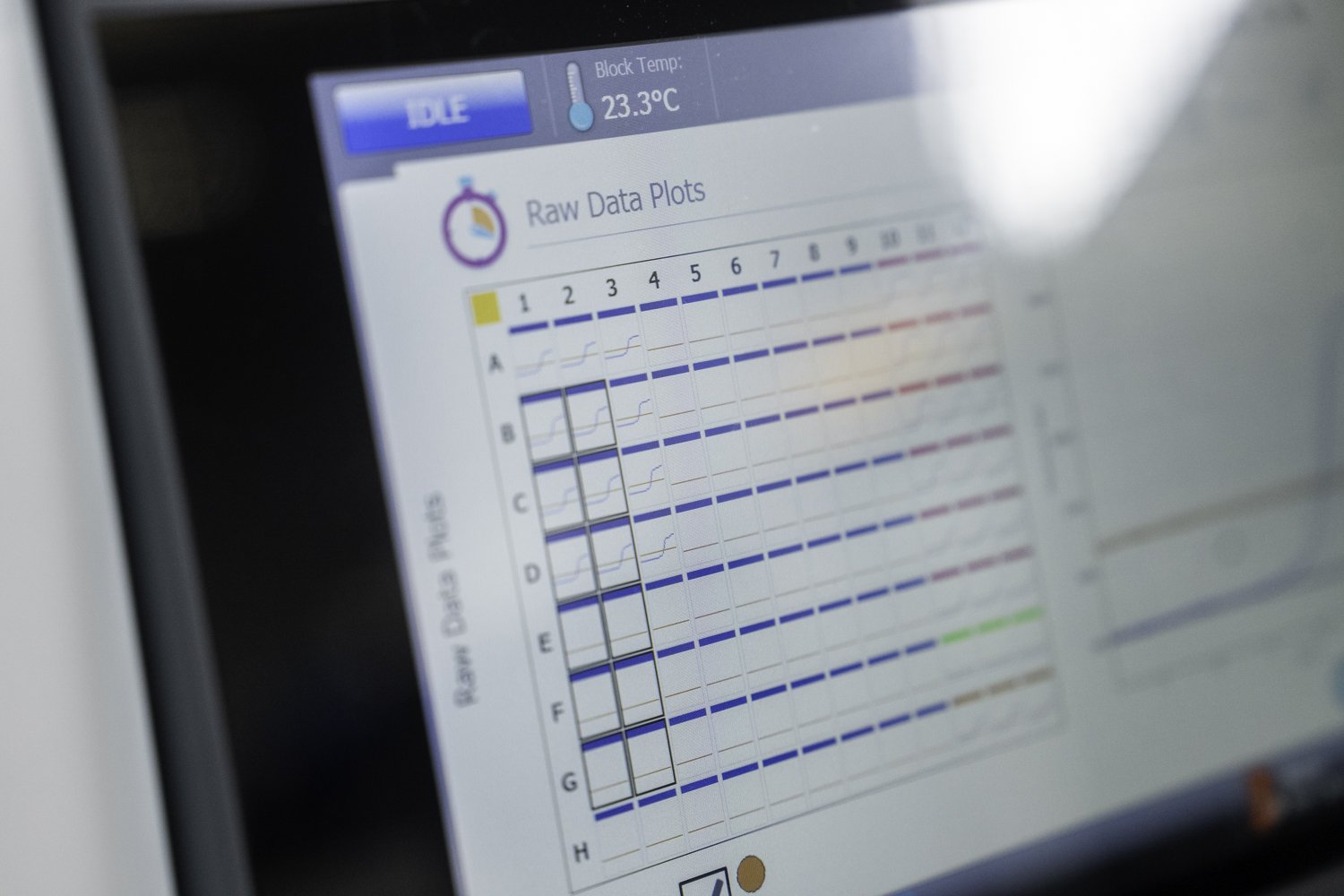
Why Experimental Setup Determines Off-target Data Quality
When people talk about gene editing safety, the focus is usually on detection: where are the off-targets? How many are there? Can we trust the data? However, many issues start much earlier within the experimental design. If the design isn’t right, the data won’t be either.

INDUCE-seq®: A New Standard for Genome-Wide DNA Break Characterization in Gene Editing
Despite the rapid evolution of CRISPR-Cas systems, base editors, and prime editors, the tools used to characterise off-target activity have not always kept pace. Many widely adopted methods rely on indirect readouts, PCR-amplified libraries, or fragmented multi-assay workflows. Others measure the final genomic outcome long after editing has occurred, rather than capturing the break event itself.